Cultivating Heritage and Healing
The Legacies of Mhonpaj’s Garden and Zooxis Conservatory Garden
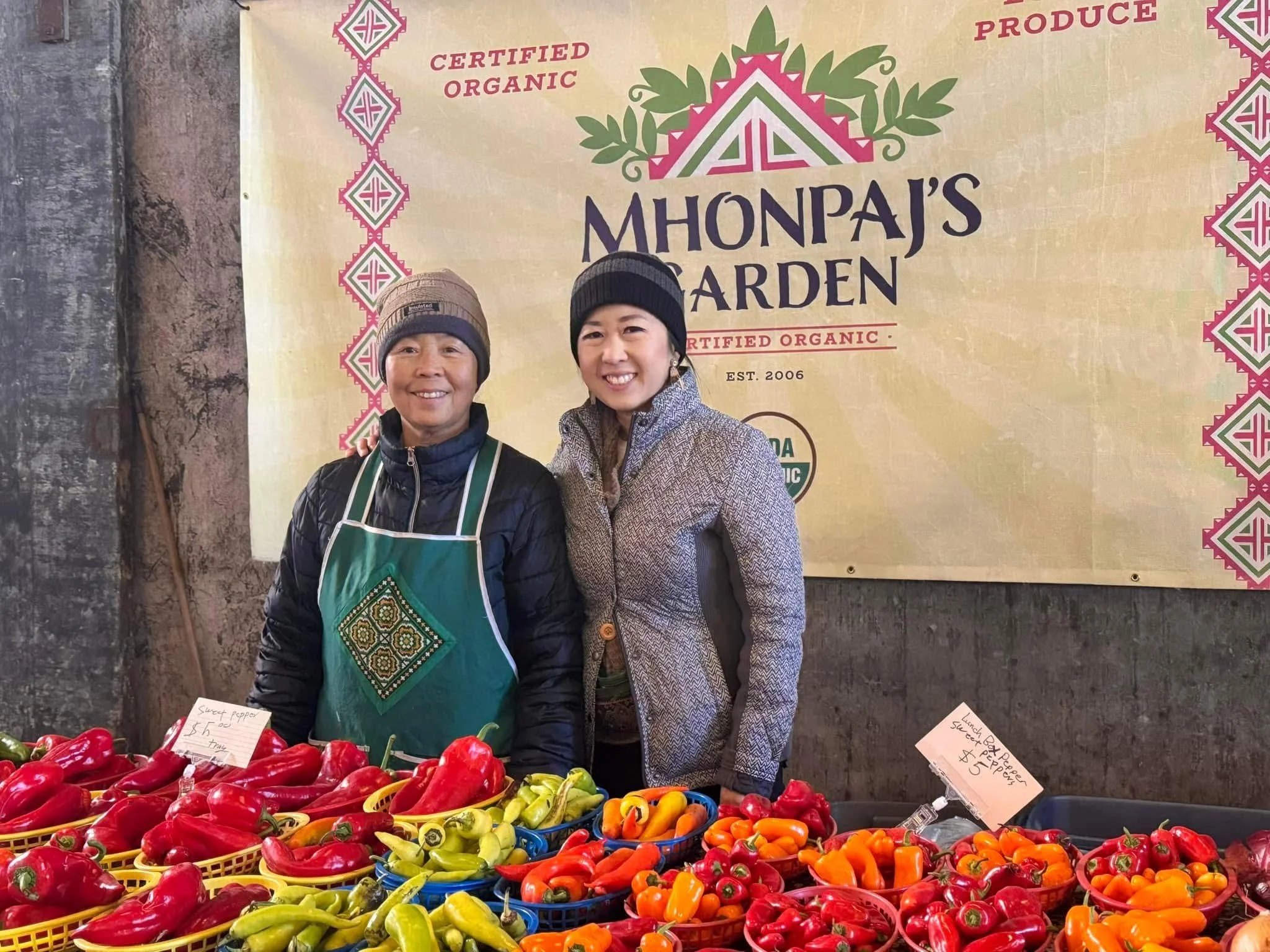
In the quiet expanse of Hugo, Minnesota, just a short drive from the bustle of the Twin Cities, lies a sanctuary that is as much about ancestral roots as it is about organic soil. Zooxis Botanical Garden and Mhonpaj’s Garden, located at 4635 165th Street, stand as a testament to the resilience of the Hmong spirit and the healing power of the land.
For Zooxis Lis (Zongxee Lee), a 45-year-old nurse currently studying integrative medicine, these gardens represent more than just agriculture; they are a living tribute to family, survival, and the "art of healing."
A Foundation of Family and Resilience
The story of the garden began not in the soil of Hugo, but through a family’s personal tragedy and a subsequent vow to health. Following the loss of her grandmother to colon cancer—a passing the family suspected was linked to the heavy use of pesticides in commercial produce—Zooxis’s mother, May Yang, made a pivotal decision: the family would grow their own food organically.
Mhonpaj’s Garden began its journey in 2006 as an "incubator farm" at Big River Farms. Under the guidance of Zooxis’s parents, the initiative became a standout success story. Despite lacking formal academic degrees, Zooxis’s parents possessed a profound, intuitive mastery of the land—at times even correcting PhD students on the nuances of organic cultivation.
Five years ago, the family realized a long-held dream by purchasing their own land in Hugo. Though Zooxis’s father has since passed away, his presence remains etched in every row of vegetables. "It is a symbol of family whenever we are out there," Zooxis reflects. "A symbol of survival and peace."
An Oasis for the Community
The choice of Hugo was intentional. Located just 25 minutes from the Maplewood Mall, the site remains accessible to the Hmong community. While the surrounding landscape has shifted from open grassland to developing residential neighborhoods, the family has steadfastly refused lucrative offers to sell the land. Their goal remains focused on education and preservation.
Today, the site serves multiple roles. It is a source of culturally relevant, organic Hmong vegetables for local farmers' markets and a classroom where Zooxis’s mother continues to teach traditional farming techniques. For Zooxis, it is also the home of the Zooxis Botanical Garden, a specialized space dedicated to medicinal flowers and holistic wellness.
The Future: Healing Through the Land
As Zooxis bridges her background in nursing with her studies in integrative medicine, she sees the garden as a vital tool for mental and physical health. A recent "soft launch" of her flower garden attracted visitors seeking a "Hmong oasis"—a place for photoshoots, grounding, and peace.
"It feels like home to me," Zooxis says. "It is a healing place, and I think the art of healing is actually in the art of growing our plants. I can’t see myself not doing this."
Despite the challenges of building infrastructure—such as the need for heated greenhouses, fencing, and soil enrichment for the sandy terrain—the vision for the garden continues to grow. Whether it serves as a teaching farm or a medicinal retreat, the land remains a vital link between the wisdom of the past and the health of future generations.
For the Lis family, the "dirty work" of gardening is the most beautiful work of all—a way of life that nurtures both the body and the soul.